Iceland's Iconic Reynisfjara Beach Vanishes Amidst Powerful Rogue Waves and Erosion
Iceland's Reynisfjara Beach has been eroded by rogue waves and cliff collapse, leaving its future uncertain. Read more here
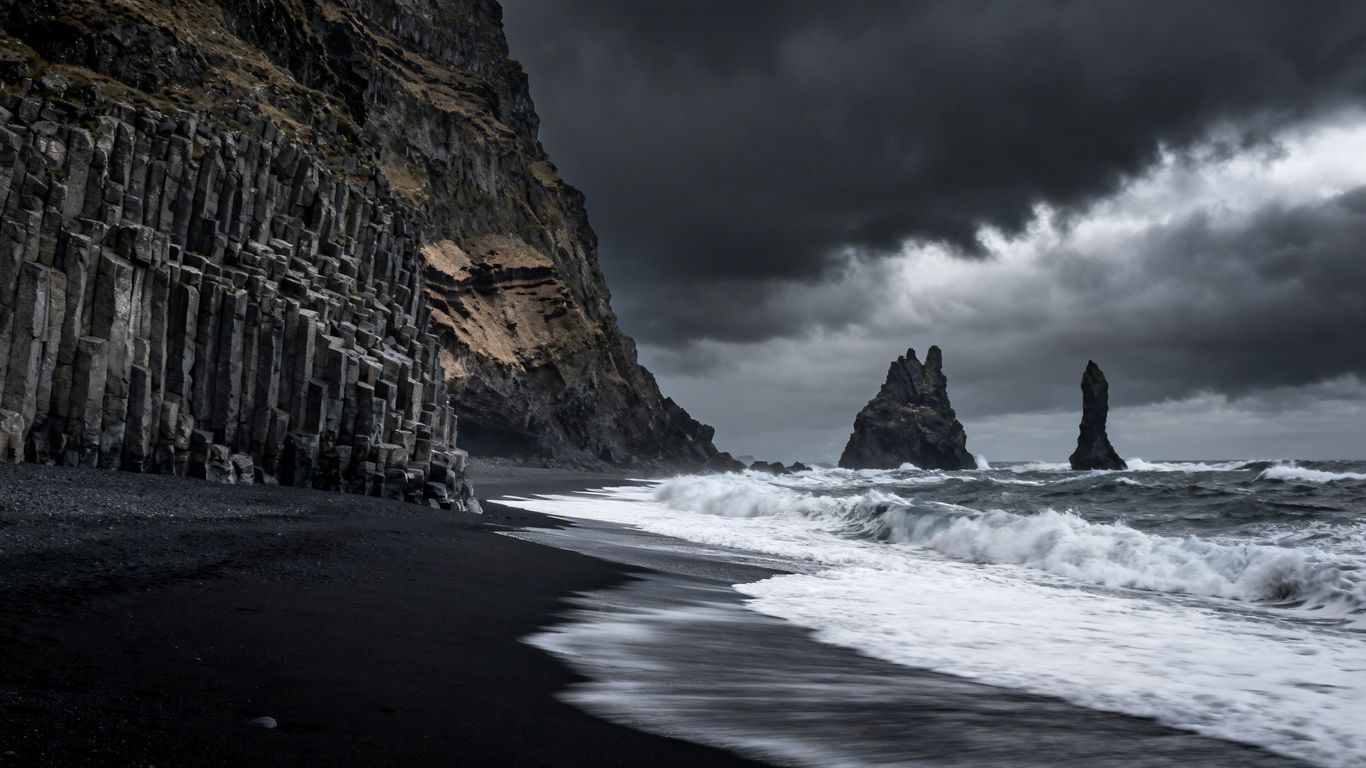
Iceland's world-renowned Reynisfjara Beach, famous for its striking black sand and dramatic basalt columns, has been dramatically altered by unprecedented coastal erosion. Powerful rogue waves and strong easterly winds have reshaped the shoreline, leading to significant cliff collapse and rendering large portions of the beach inaccessible. The dramatic changes have led to concerns about the future of this iconic natural landmark.
Key Takeaways
Reynisfjara Beach has experienced severe erosion, nearly disappearing.
A significant cliff collapse has occurred, closing the beach to the public.
Strong easterly winds and high wave activity are identified as primary causes.
The future restoration and stabilization of the coastline remain uncertain.
Unprecedented Coastal Changes
Recent weeks have witnessed a dramatic transformation at Reynisfjara Beach, a popular tourist destination in Iceland. Unusually strong ocean forces have resulted in extensive coastal erosion, significantly altering the beach's appearance and accessibility. Experts attribute these drastic shoreline changes to a sustained period of strong easterly winds and high wave activity experienced in January and early February. This persistent weather pattern has driven powerful surf against the South Coast, intensifying natural coastal processes and moving sand and stones at a rate far exceeding typical levels for this time of year.
The erosion has been so severe that walking paths and beach access points are now perilously close to the waterline. In some areas, previously accessible parts of the beach are no longer safely reachable, prompting officials to declare the damage unprecedented.
A Dangerous Beauty
Reynisfjara Beach is celebrated globally for its unique and dramatic geological features, including its distinctive black sand, towering basalt cliffs, and powerful waves. However, it also carries the somber nickname of "Iceland's deadliest beach." This moniker stems from the inherent dangers posed by its unpredictable sneaker waves, which have tragically claimed lives in the past. In August 2025, a young German girl was swept out to sea and died after being caught by one of these infamous waves.
Uncertain Future for the Black Beach
The dramatic reshaping of Reynisfjara Beach raises questions about its future. While there is hope that sand may eventually be redeposited and the shoreline could shift back over time, the exact timeline and method of stabilization remain uncertain. Coastal experts view the event at Reynisfjara as a stark illustration of the dynamic nature of Earth's coastal systems. These systems are constantly shaped by powerful natural forces, often in ways that continue to surprise and awe observers.
Sources
Iceland's Reynisfjara Beach Eroded by Deadly Rogue Waves, SURFER Magazine.