Rip Currents Claim Life on Long Beach Island as East Coast Beaches See Surge in Rescues
A 28-year-old man died in a Long Beach Island rip current amid a spike in dangerous rescues along the East Coast. Authorities urge beachgoers to heed warnings.
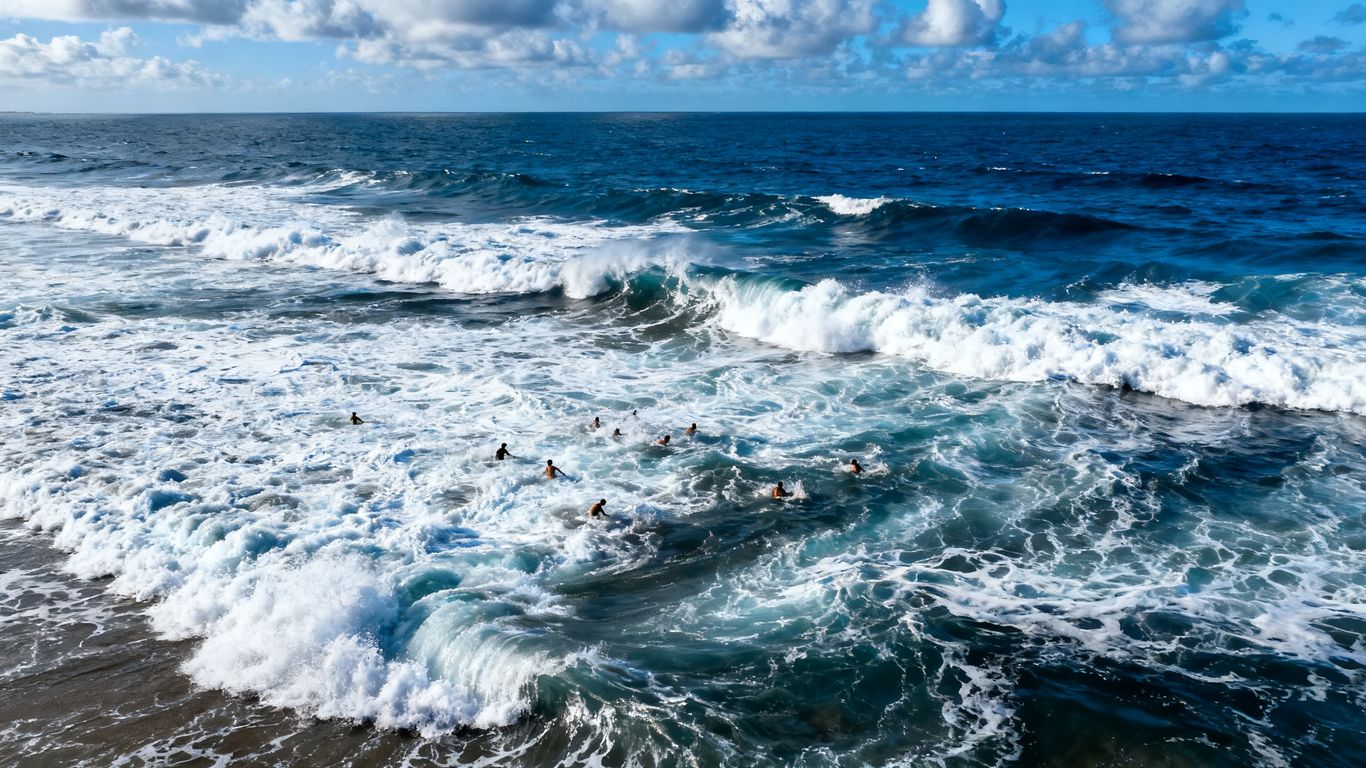
A 28-year-old man tragically lost his life after being caught in a powerful rip current off Long Beach Island, New Jersey, as emergency crews across the East Coast respond to a growing number of similar incidents amid dangerous surf conditions.
Key Takeaways
- A man drowned after being swept by a rip current at Long Beach Island, New Jersey.
- Three other swimmers were also caught but were safely rescued.
- Authorities in North Carolina have conducted nearly 70 rescues in recent weeks due to rip currents.
- Elevated rip current risks persist across the East Coast, with warnings in effect.
Incident Details on Long Beach Island
David Maldonado-Ocelotl, 28, from Forked River, New Jersey, died on Friday when he and three others were caught in a strong rip current near Ship Bottom. First responders from local police, fire, EMS, and surfers rushed to the scene after reports of multiple people in distress. While three individuals managed to escape or were pulled from the water, emergency teams searched for Maldonado-Ocelotl.
He was located unresponsive and immediately received lifesaving measures before being transported to a nearby hospital, where he was pronounced dead. Authorities extended condolences to his family, underscoring the deadly risk associated with rip currents.
Rising Rip Current Danger Along the Coast
The tragedy in New Jersey is part of a pattern of hazardous conditions affecting beaches up and down the eastern seaboard. North Carolina's coastline has seen a surge in incidents, with nearly 70 rescues reported since Memorial Day. Beaches from the Outer Banks to Topsail are experiencing high risk, with multiple rescues occurring in locations such as Wrightsville Beach and Holden Beach, often within a single day.
Officials have issued warnings, flying double red flags to indicate extremely dangerous conditions and, in some areas, closing the water to public use entirely. Authorities stress that life-threatening rip currents pose dangers even to experienced swimmers.
Safety Measures and Beach Precautions
Rip currents are powerful, narrow channels of fast-moving water that can pull swimmers away from shore, often unexpectedly. The National Weather Service advises:
- Heed All Warning Flags and Advisories: Red or double red flags mean high risk or closed waters.
- Stay Informed: Check daily surf zone forecasts, especially during periods of increased wind or wave activity.
- Never Swim Alone: Swimming near lifeguards and always with others increases safety.
- If Caught in a Rip Current: Remain calm, don’t fight the current. Swim parallel to shore until free from the current's pull, then return to the beach at an angle.
| Danger Level | Flag Color | Beach Conditions |
|---|---|---|
| Low (Caution) | Green | Generally safe; remain alert |
| Moderate | Yellow | Increasing risk; be careful |
| High | Red | Dangerous for all swimmers |
| Water Closed | Double Red | No swimming allowed |
Ongoing Risks and Community Responses
Authorities continue to monitor beaches and weather patterns closely, warning that stormy conditions can rapidly increase rip current risks. The public is urged to observe posted warnings and advisories and to respect beach closures when they are in effect. As summer continues, officials emphasize vigilance and awareness as the best defense against water-related tragedies.