The End of an Era? Brazilian Surf Dominance Faces Uncertain Future
Brazilian surf industry leaders express concerns that the 'Brazilian Storm' of world champions may be ending due to a decline in grassroots support and brand investment, potentially leading to a decade-long gap in future champions.
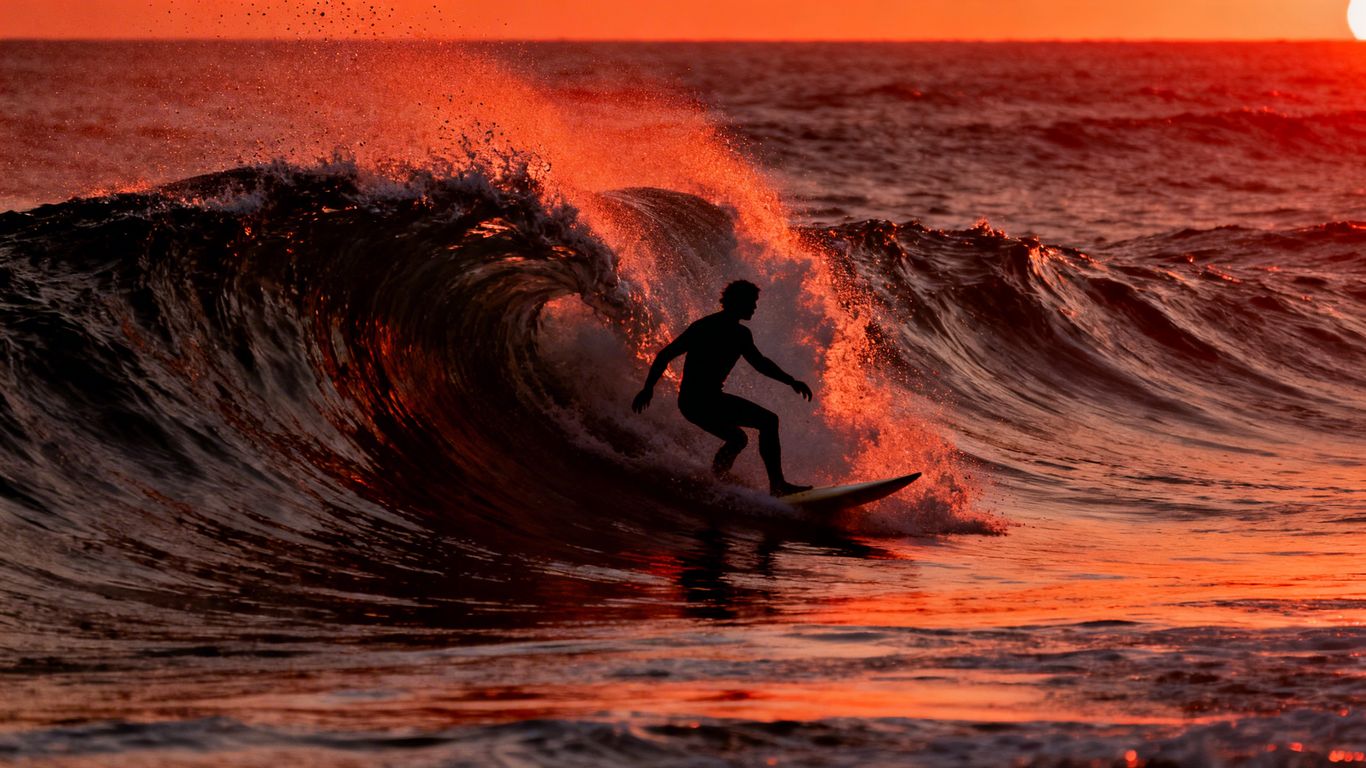
For over a decade, professional surfing has been synonymous with Brazilian dominance, a period dubbed the 'Brazilian Storm.' Since Gabriel Medina's historic 2014 win, Brazilian surfers have claimed eight world titles. However, industry insiders are now warning that this era of unparalleled success may be drawing to a close, potentially leaving a significant gap in world champions for years to come.
Key Takeaways
- Brazilian surf industry leaders express concern over the future pipeline of talent.
- A decline in brand investment and grassroots support is cited as a major factor.
- Australia is seen as a model for current surfer development, mirroring Brazil's past strategies.
Concerns for the Next Generation
According to a recent episode of the Brazilian surf podcast Fala Papah, featuring industry figures like Yago Dora's manager Daniel Cortez and sports marketing consultant Luiz Campos, the current trajectory is worrying. Campos predicts a potential "10-year gap, maybe longer" without a Brazilian world champion once the current generation, including Medina, Italo Ferreira, and Filipe Toledo, retires.
The current Challenger Series rankings offer a stark illustration. Only two Brazilian men are in the top 20, and most Brazilians in the top 50 are older and far from Championship Tour qualification. In contrast, Australia boasts a robust pipeline of young talent, with numerous surfers under 30 ranked highly.
Factors Contributing to the Potential Downturn
Industry experts suggest the decline isn't due to a single cause but a combination of factors. Cortez highlights the crucial role of brand investment, recalling a time when companies actively sponsored large teams of surfers, fostering development from the ground up. "The Brazilian Storm wasn’t by accident," Cortez stated, emphasizing the work done by brands and support networks.
He added, "Investing in the grassroots level is essential. We always did that." The current situation, he believes, is a "chain of events that pushed things in this direction."
Australia's Model for Success
Both Cortez and Campos point to Australia's current approach to surfer development as a blueprint. They observe that Australia is replicating the strategies that once fueled Brazil's dominance. "Australia, in my opinion, is going to dominate," Cortez remarked, noting that they are "doing exactly what we did back then – and then stopped doing."
Campos shared an anecdote about Australian surf executives inquiring about Brazil's past development methods, seeking to adapt them to their own cultural context. This suggests a proactive and culturally sensitive approach to talent nurturing that Brazil may have inadvertently abandoned.
Shifting Investment Landscape
While government funding for Brazilian surfing has seen an increase, the support from private brands has reportedly not kept pace. This disparity raises questions about the long-term sustainability of Brazilian surfing's success. Cortez questions the logic: "Brazilian surfing is hot right now – why does the Ministry of Sport invest in our sport? But at the same time, you see companies pulling the brakes."